
MIDWIFE-TAUGHT ONLINE CHILDBIRTH EDUCATION
Feel prepared for birth and everything that comes after.
The Complete Birth + Baby Course is a comprehensive, self-paced online course that takes you from pregnancy through labor, birth, postpartum recovery, breastfeeding + newborn care.
Taught by Dr. Chrisi Kelly, DC, CACCP, LM, CPM, Certified BRM® Pro Certified Professional Midwife + Perinatal Chiropractor and Mom of Two
Self-paced • Lifetime access • Watch with your birth partner • $129
↓
Know What to Expect
Understand what's happening throughout pregnancy, labor, birth + those first weeks with baby.
↓
Know Your Options
Feel informed about your choices, without being told there is one “right” way to birth.
↓
Feel Ready for Baby
Prepare for birth and the postpartum + newborn experience that comes after it.
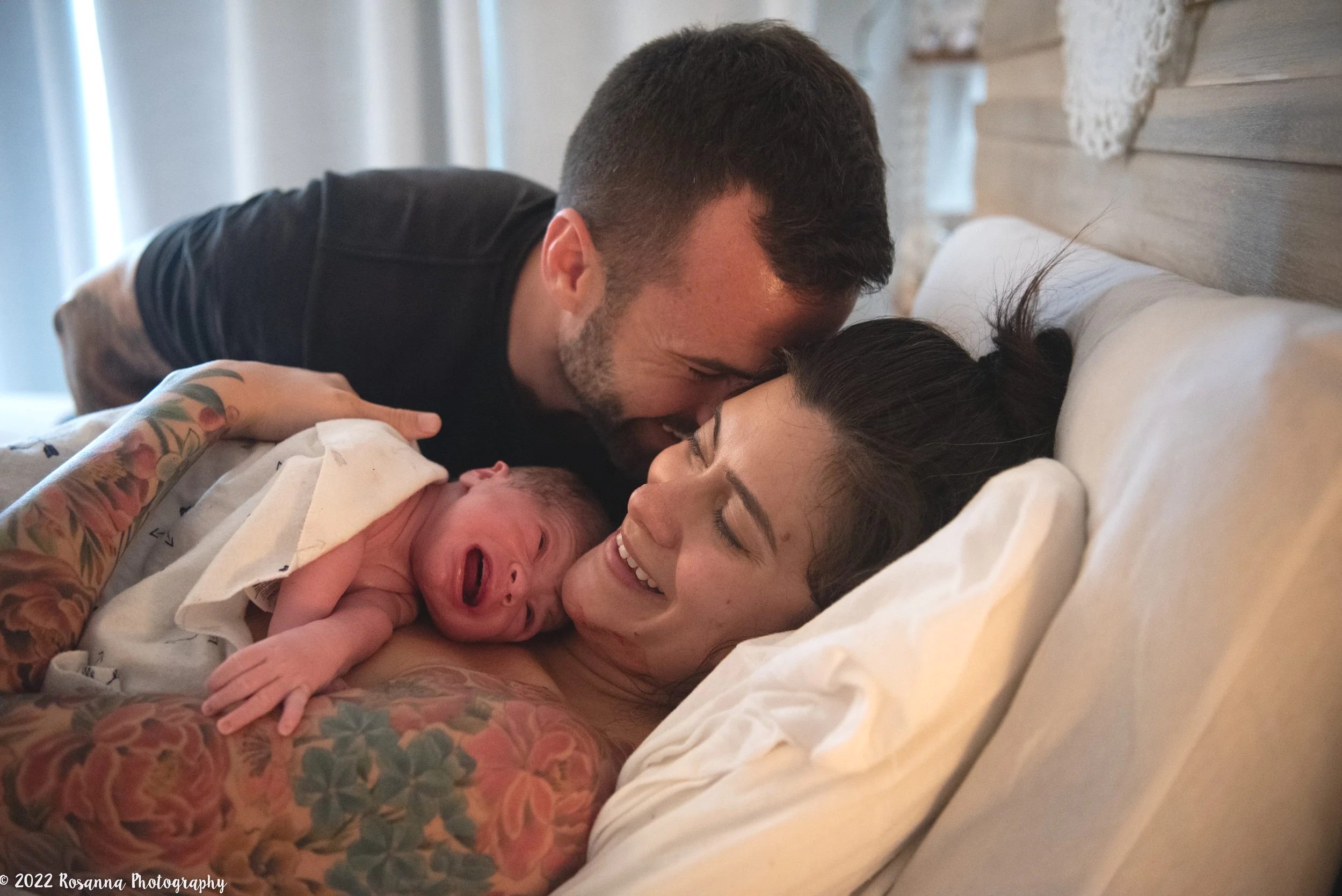

It’s time To Ditch The Feeling of being Unprepared.
→ Pregnancy comes with a LOT of information but knowing what to Google doesn't necessarily mean you feel prepared for birth, postpartum or bringing home a newborn.
→ You shouldn't have to piece together your education from TikTok, Google, your friend's birth story and a stack of random hospital handouts.
→ You deserve to understand what’s happening, know your options and feel confident navigating what comes next.

→ You've saved a million birth videos... but still don't actually feel prepared.
You know there's a lot to learn, but you don't know what information you actually need or what's trustworthy.
Raise Your Hand If This IS You
→ You want to know your options without being told what kind of birth you “should” have.
You want to feel informed whether you end up with an unmedicated birth, an epidural, an induction, a cesarean or something completely different.
→ You're preparing for birth... but no one has really prepared you for AFTER birth.
You're thinking about labor, but what about recovery, feeding, breastfeeding, newborn care, sleep, postpartum changes and those first weeks at home?
→ You want your partner to actually know how to support you instead of just standing there wondering what to do.
What If You Didn't Have To Figure It All Out On Your Own?
What if instead of piecing together information from dozens of sources, you had one place to learn what you actually need to know — from pregnancy through birth, postpartum and your baby's first weeks?↓
INTRODUCING
THE COMPLETE BIRTH +BABY COURSE
THE COMPLETE BIRTH +BABY COURSE
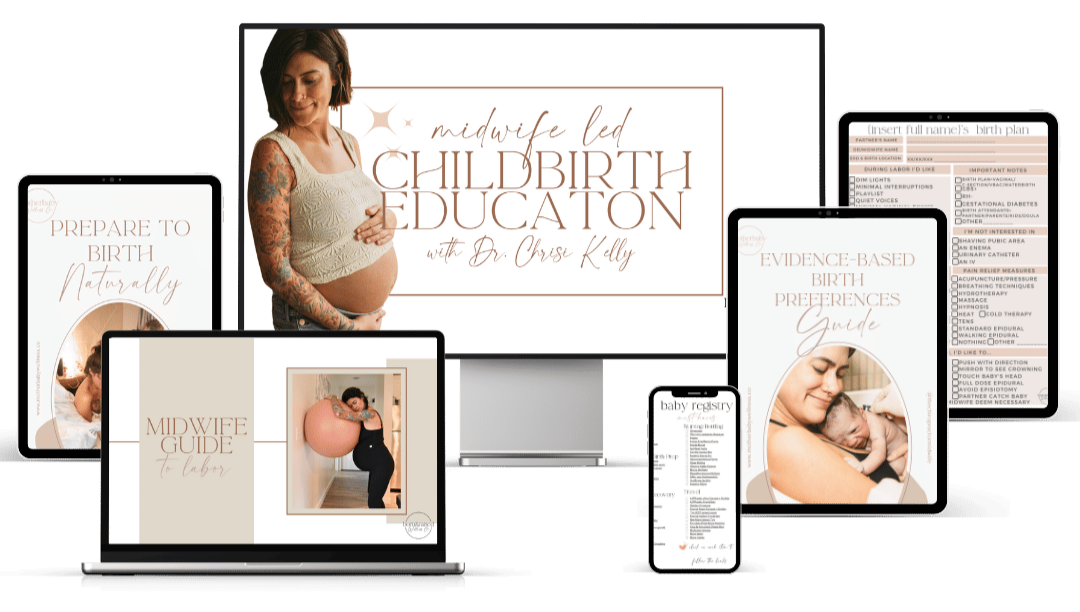
A comprehensive, self-paced online childbirth education course taught by a licensed midwife — designed to help you understand your options, prepare for birth and feel confident caring for yourself and your baby afterward.
Everything You Need To Feel Prepared For What Comes Next.
Think of this as your roadmap… from “I'm pregnant...now what?” to bringing your baby home.
The Course Includes

PREGNANCY
Prepare your body, mind + birth team
Learn about preparing for birth, choosing your care provider, prenatal care, nutrition, movement, fetal positioning and more.
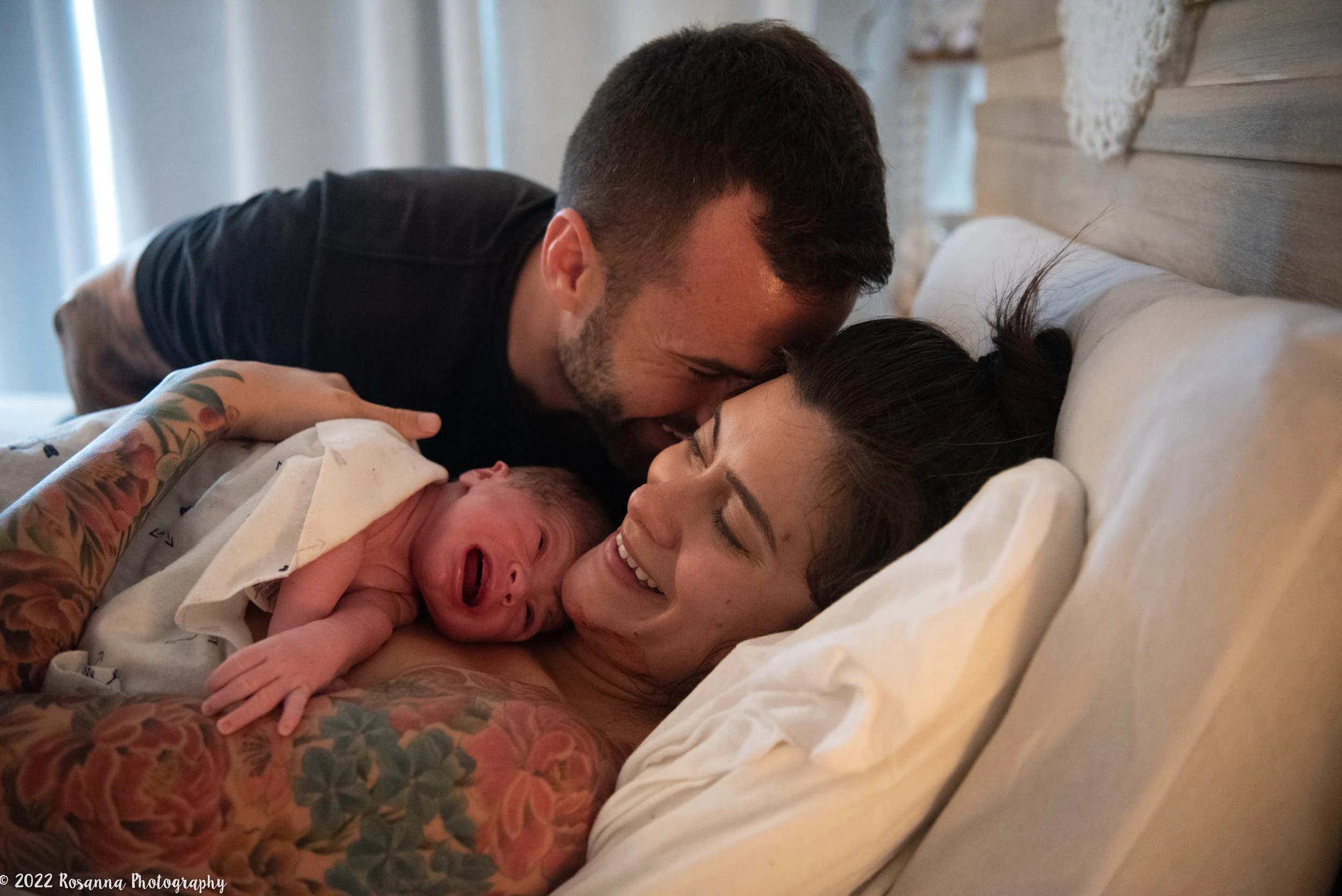
BIRTH
Know what to expect and what your options are
Understand labor, contractions, stages of labor, comfort measures, pain relief, interventions, induction, cesarean birth and more.
&

POSTPARTUM
Because birth is only the beginning
Prepare for recovery, postpartum changes, feeding, breastfeeding and the realities of those first weeks.

BABY
Feel less clueless when you bring your baby home
Learn newborn basics, feeding, diapering, sleep, normal newborn behavior, newborn care and what new parents commonly wonder about.
6+ hours of video education • Custom birth template • Downloadable guides + checklists • Self-paced • Lifetime access🎁 BONUS: Lifetime Access to the MotherBaby Vault
30+ pregnancy, birth, postpartum + baby guides • Partner resources • Labor + birth resources
• New guides added over time

The MotherBaby Difference
This isn't just another childbirth class.
Traditional Birth Class
MotherBaby
Real expertise. Real preparation. All in one place.
Explore the CourseImagine walking into birth feeling like you actually know what you're doing.
NO. 1
Replace fear with confidence
Understand what’s happening during labor so you can feel prepared instead of blindsided.
NO. 2
Know how to work with your body
Learn movement, positions, breathing, and practical techniques to help you navigate labor.
NO. 3
Stay grounded when things get intense
Have tools you can actually use when labor gets hard, not just information you read once in a book.
NO. 4
Know your options
Understand common interventions, procedures, and decisions so you can participate confidently in your care.
NO. 5
Feel prepared for the unexpected
Because birth doesn't always follow the plan. Learn how to stay informed and empowered when things change.
NO. 6
Feel confident beyond birth day
Prepare for the immediate postpartum period, newborn care, and the realities no one seems to talk about.
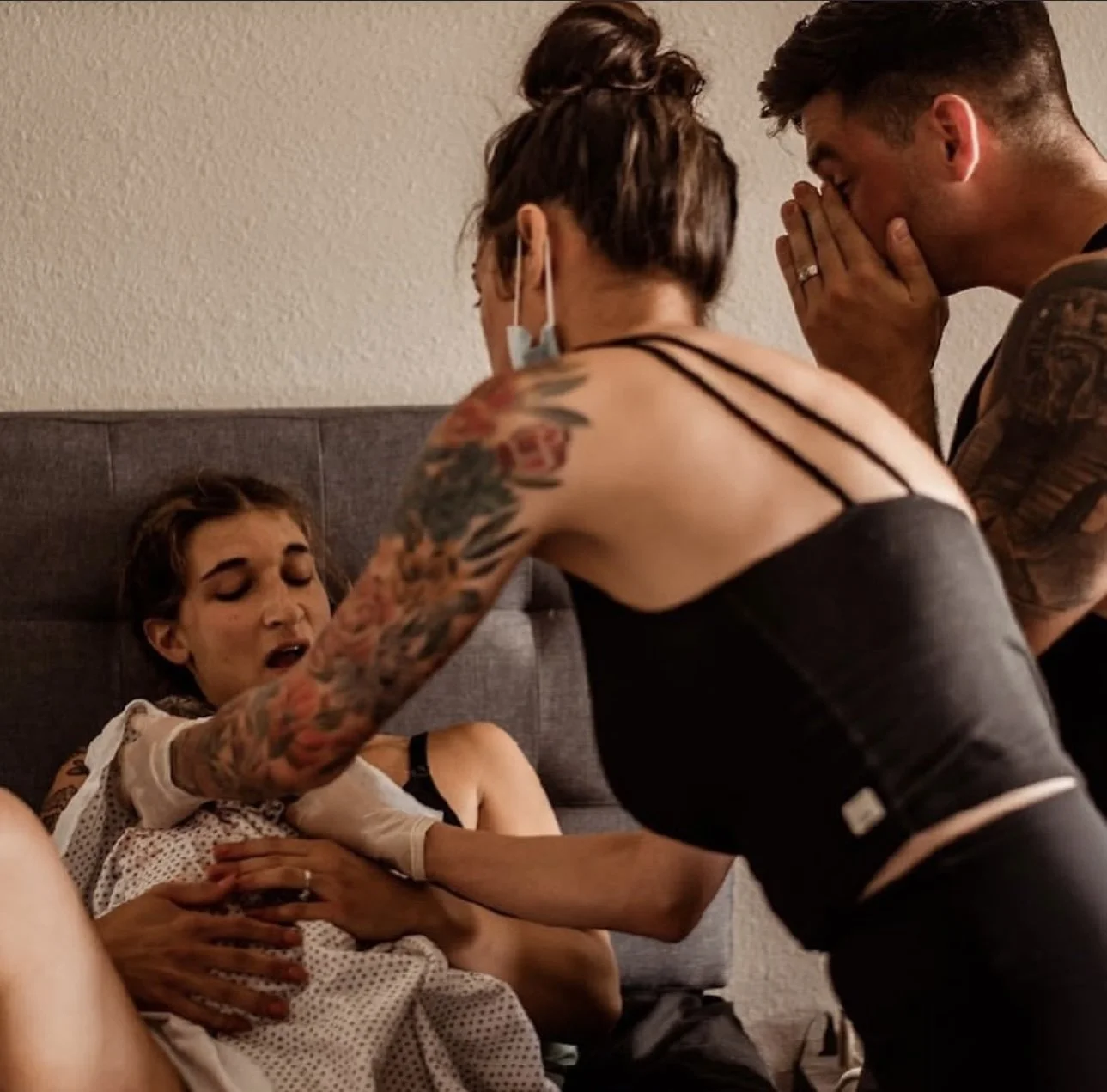
Learn from someone who has actually been there.
I'm Dr. Chrisi Kelly — a certified professional midwife and perinatal chiropractor.
I've spent years working with pregnant women and families and have attended 300+ births.
I created this course because I kept seeing the same problem: parents were expected to make huge decisions about birth, recovery and newborn care without ever being given the information they needed to understand those decisions.
You don't need someone to tell you exactly how to give birth.
You need someone to teach you what's possible, what to expect and how to navigate it.
Inside The Complete Birth + Baby Course
We took the information you actually need and organized it into one comprehensive course — taught by a Certified Professional Midwife.Move through each module at your own pace, revisit lessons whenever you need them, and come back to the resources when the information becomes relevant to you.

-
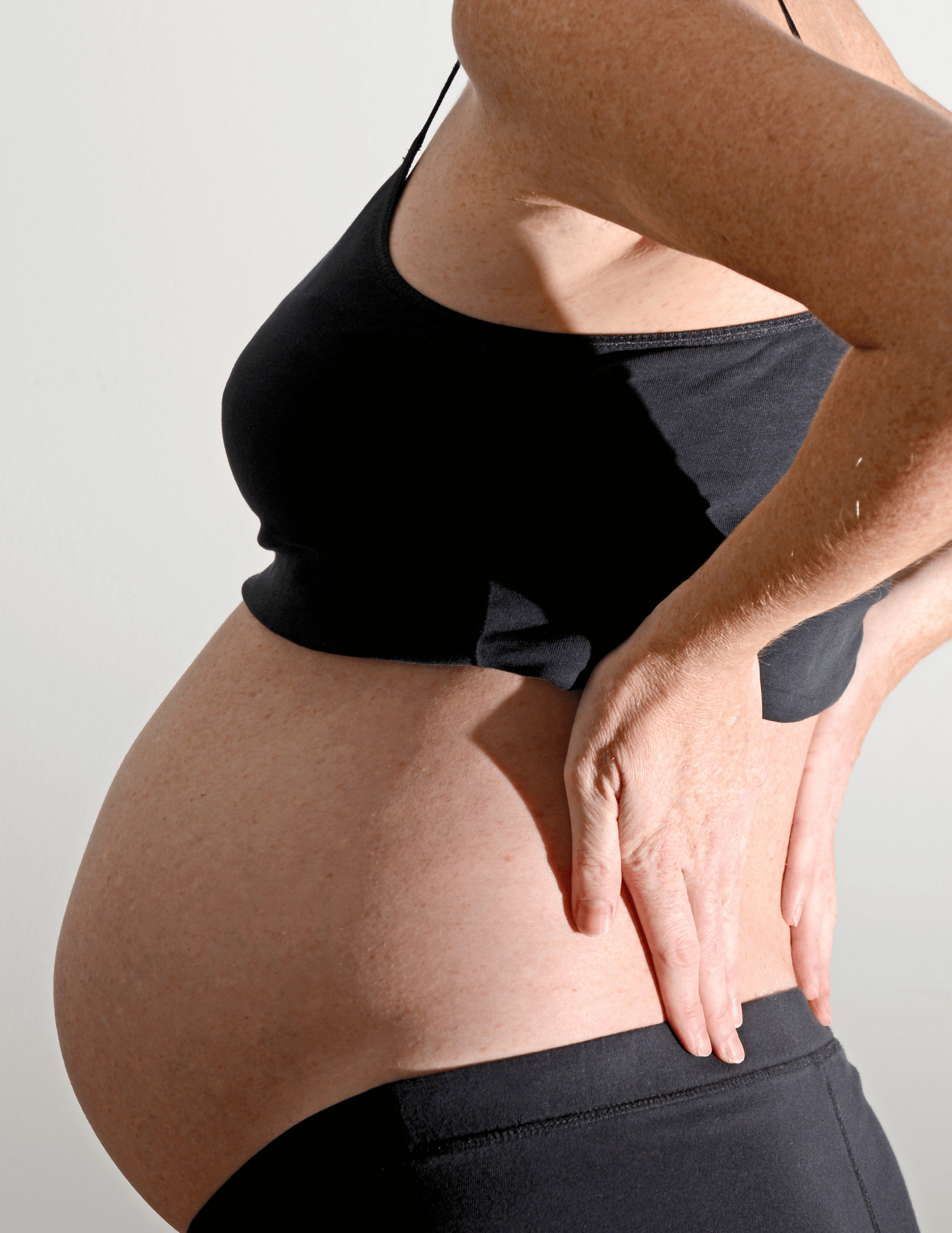
What to expect, choosing your care provider, prenatal testing, nutrition, movement, preparing your body and preparing mentally for birth.
Module No. 01
-
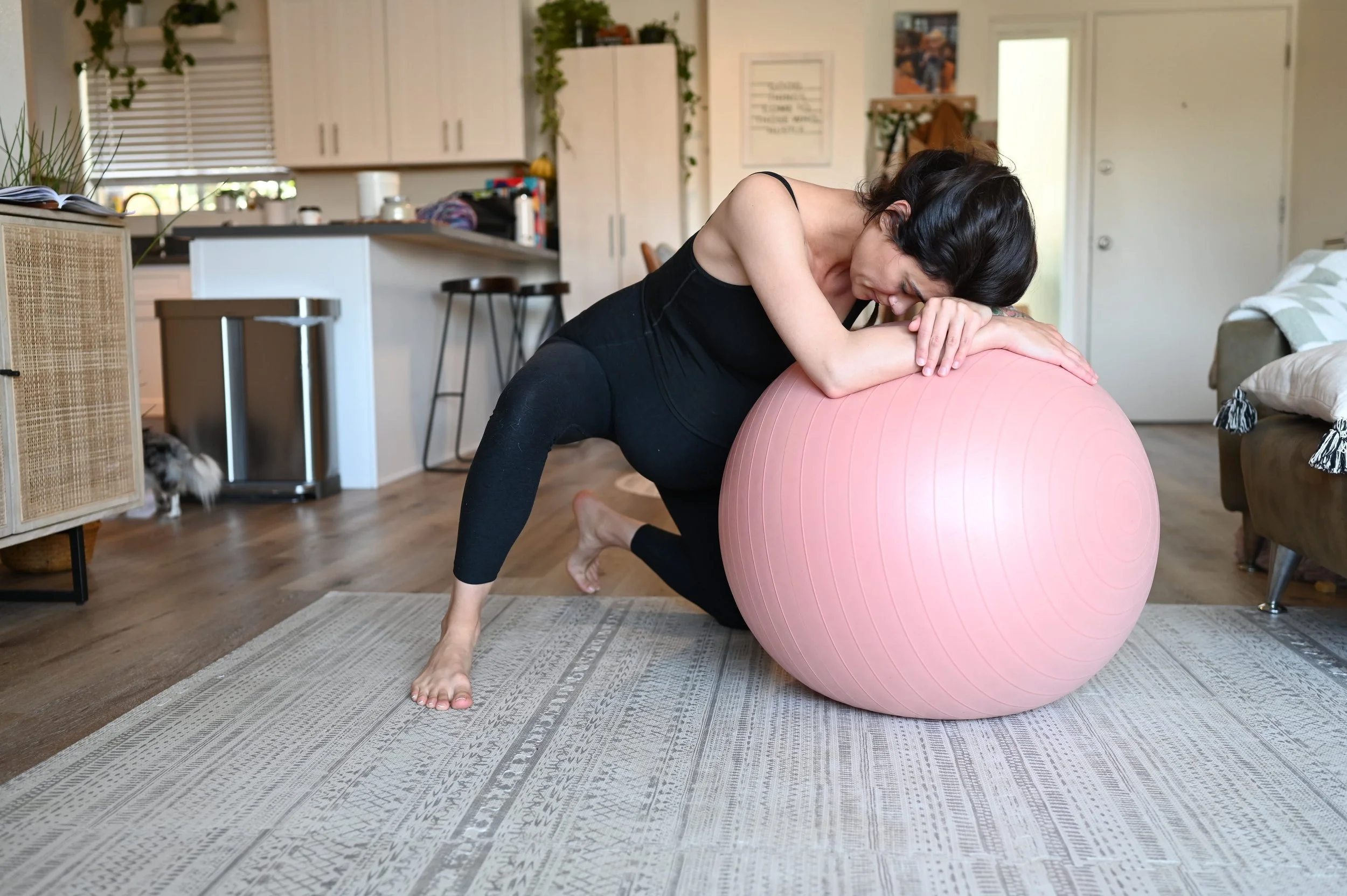
Signs of labor, what happens physiologically, stages of labor, contractions, when to call your provider and when to go in.
Module No. 02
-
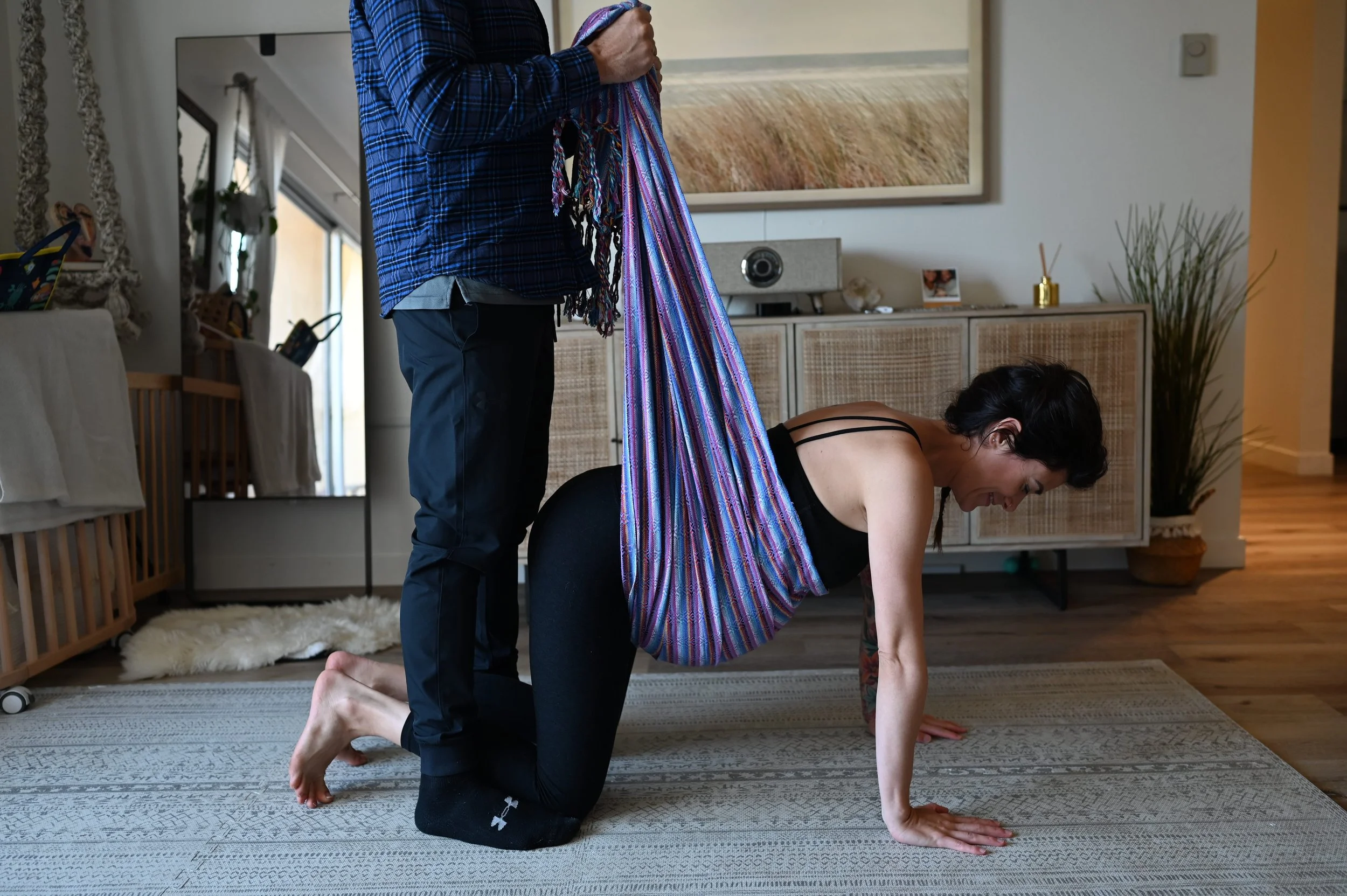
Positioning, movement, mobility, comfort strategies and ways to prepare for labor.
Module No. 03
-
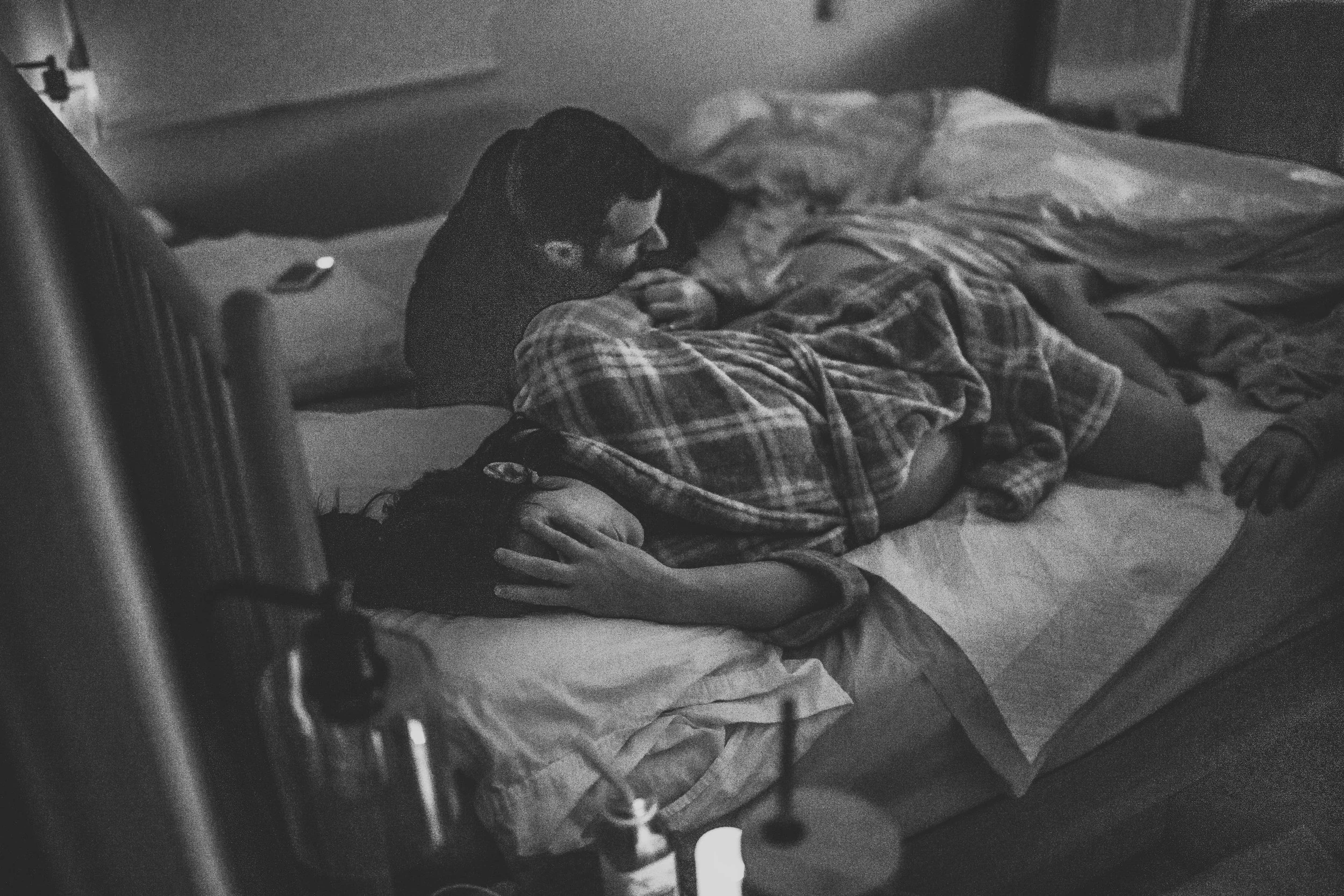
Breathing, movement, positions, massage, counter-pressure, water, birth balls, partner support and more.
Module No. 04
-
Induction, augmentation, fetal monitoring, pain medication, epidural, assisted delivery, cesarean birth and informed decision-making.
Module No. 05

-
Creating preferences, communicating with your care team, advocacy, partner preparation and preparing for different birth scenarios.
Module No. 06
-
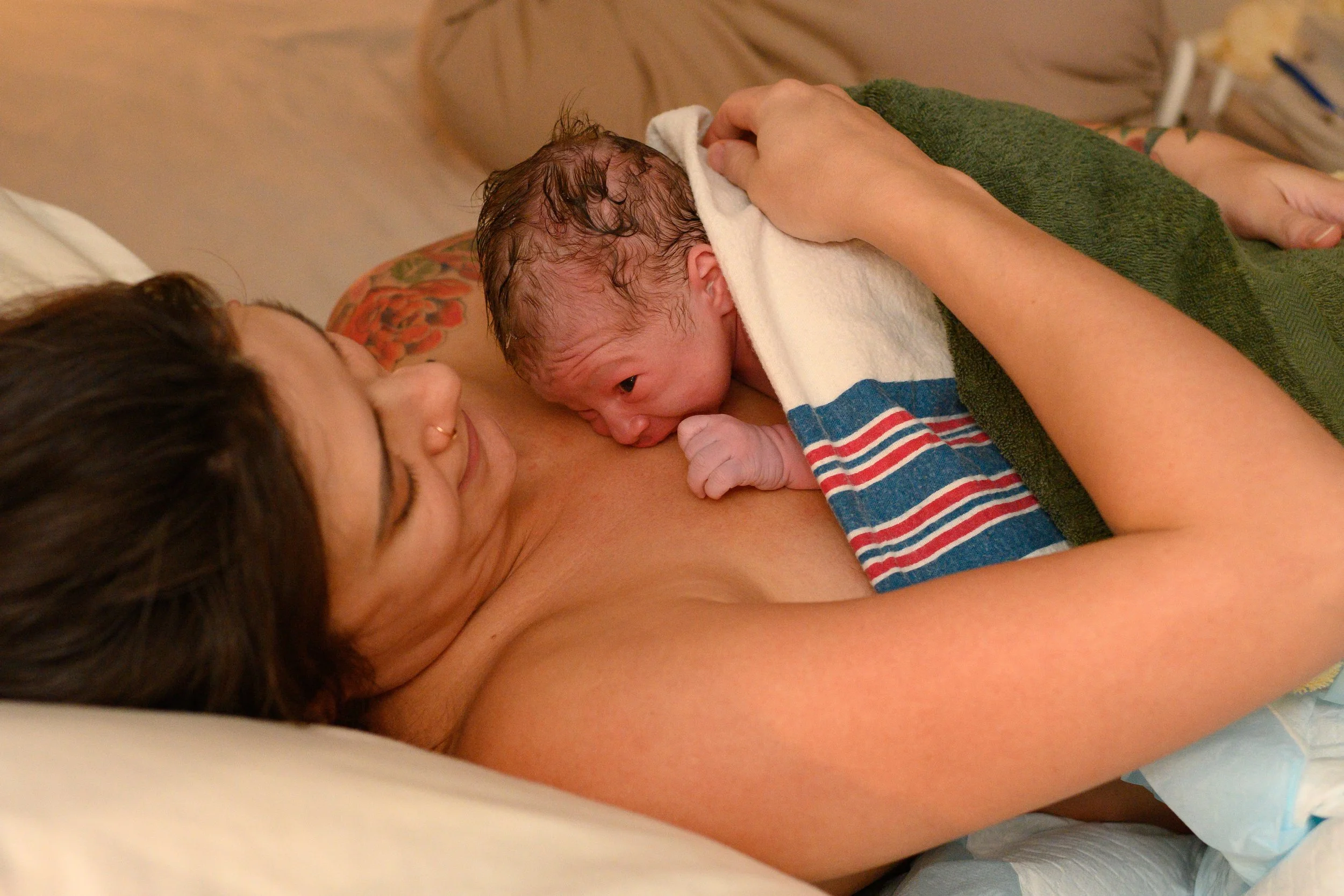
Induction, unexpected cesarean, prolonged labor, NICU possibilities and how to remain informed and grounded when plans change.
Module No. 07

-
Recovery, healing, hormones, nutrition, sleep, emotional changes, C-section recovery and what to expect after birth.
Module No. 08

-
Feeding cues, latch basics, milk coming in, common challenges and knowing when to seek additional support.
Module No. 09

-
Diapering, bathing, cord care, feeding, safe sleep, normal newborn behavior and what new parents commonly worry about.
Module No. 10
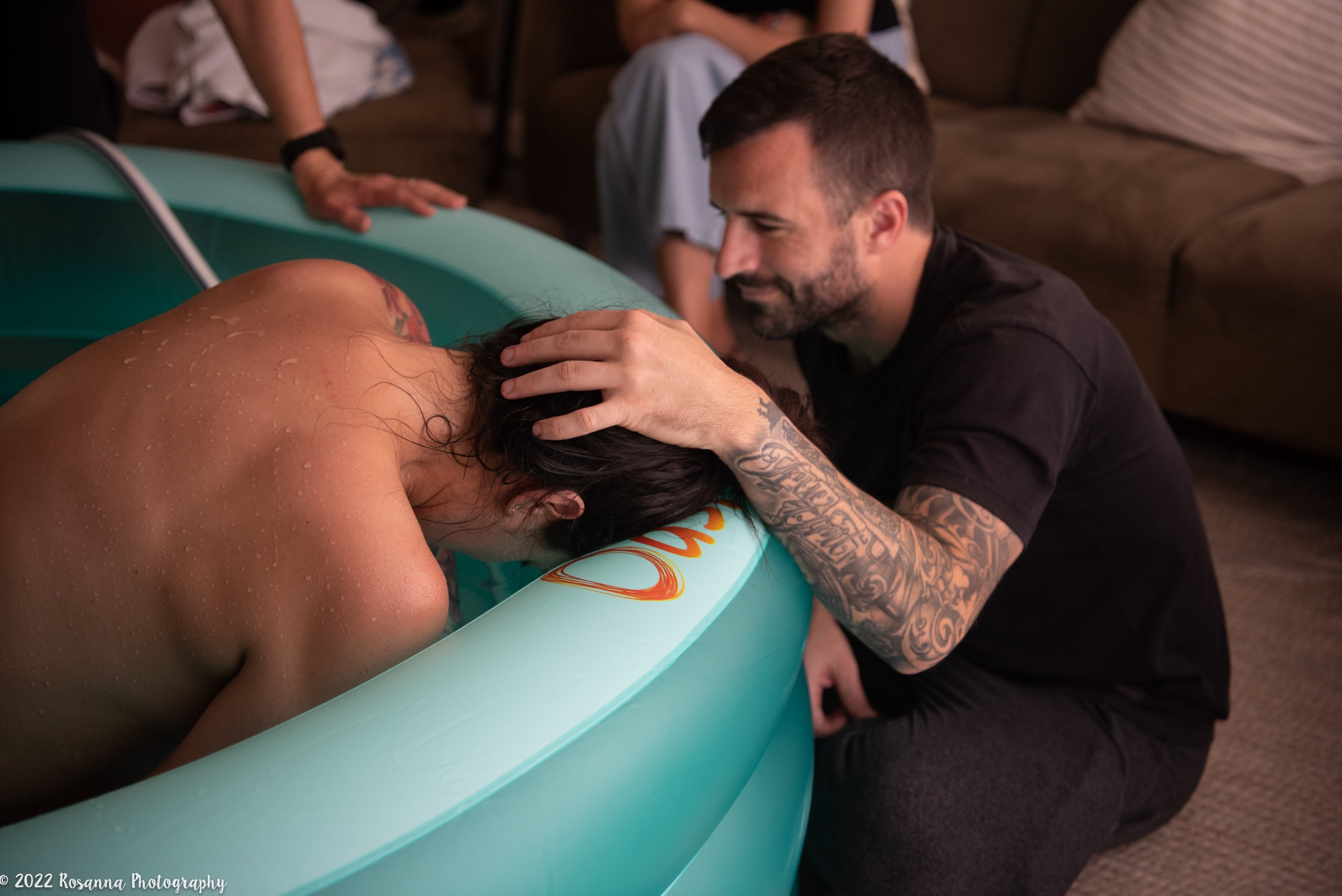
PREPARE WITH YOUR PARTNER
↓
Instead of hoping your partner figures it out in the moment, take the course together and learn how to communicate, support you physically, understand what's happening during labor and advocate for your preferences.
Your partner will learn:✓ What you're experiencing
✓ How to support you through contractions
✓ Comfort measures + positioning
✓ How to communicate with the care team
✓ How to support you if plans change
✓ What you'll need postpartum
PLUS OUR TOOL TO HELP YOU MAKE DECISIONS WHEN YOU’RE UNSURE OR CAN’T REMEMBER ALL THE DETAILS ABOUT EVERYTHING.Your partner doesn't need to be a birth expert. They just need to know what to do.
YOU DON’T NEED TO KNOW EXACTLY HOW YOUR BIRTH WILL UNFOLD.
You just deserve to understand your options before you're in the moment.
Prepare your body.
Prepare your mind.
Prepare your birth partner.
Prepare for birth.
Prepare for baby.
$129 • Lifetime access • Start anytime • Learn at your own pace
Got Some Questions? We’ve Got Answers
-
Beginning around the second trimester gives you time to work through the material without rushing. Many parents start somewhere between 20 and 28 weeks.
-
Yes, we encourage partners to take this course together.
-
Absolutely not. Whether you're planning an unmedicated birth, epidural, induction, birth center birth, hospital birth or cesarean, the goal is to help you understand your options and feel prepared.
-
Covered.
-
Yes.
-
Yes.
-
Yes.
-
Access is for life. Lessons and downloadable resources can be revisited at any point during this pregnancy or a future one.
-
No — educational information intended to help you prepare and have informed conversations with your own care team.
-
Yes.
-
Also yes — especially if your previous birth experience left you wanting more preparation or you're navigating a different birth this time.
See how parents felt more informed, confident and prepared for birth + baby.
-
“Before taking this course, I felt so overwhelmed by everything I didn't know about birth. By the end, I felt informed, calm and genuinely excited to meet my baby. I finally understood what was happening and felt like I had tools I could actually use.”
- Jillian W.
-
“I loved that I wasn't told there was one ‘right’ way to give birth. I finally understood my options, the pros and cons of different interventions, and felt confident making decisions with my care team.”
- Christina M.
-
“Taking this course together made such a difference. My husband went from saying ‘Just tell me what you need’ to actually knowing how to support me during labor. We felt like a team going into birth instead of two people hoping we'd figure it out.”
- Kim V.
-
“The labor positions, breathing techniques and comfort measures were some of my favorite parts of the course. When labor actually started, I didn't have to wonder what to do — we had tools to work through each stage.”
- Caley M.
-
“My birth didn't go exactly how I pictured it, but I felt prepared to navigate the changes because I understood my options. Instead of feeling completely blindsided, I knew what questions to ask and felt confident making decisions along the way.”
- Michaela S.
-
“I expected this to help me prepare for labor, but I was surprised by how much it helped me prepare for everything after birth, too. Having the postpartum and newborn information in the same course made me feel so much more prepared to actually bring my baby home.”
- Alexis D.
GET READY TO FEEL PREPARED
THE COMPLETE BIRTH +BABY COURSE
THE COMPLETE BIRTH +BABY COURSE
A comprehensive, self-paced online childbirth education course taught by a licensed midwife — designed to help you understand your options, prepare for birth and feel confident caring for yourself and your baby afterward.